— AUTHOR
William Allen
— DATE
29TH January 2026
— CATEGORY
Insights
— SECTOR
Schools & FE
— SERVICES
Architecture
Government data shows that the number of pupils in England identified with special educational needs and disabilities (SEND) continues to grow. Recent policy discussions, including the upcoming Schools White Paper, signal a clear intention to strengthen support within mainstream settings and reduce reliance on separate specialist schools; a model increasingly described as “inclusive mainstream.”
This policy shift has led to rapid growth in SEN units and resource bases being incorporated into existing mainstream schools. On paper, this suggests positive progress: more pupils supported locally, fewer long journeys to specialist settings, and greater day-to-day contact with peers. In practice, however, creating supportive and well-integrated environments is far more complex.
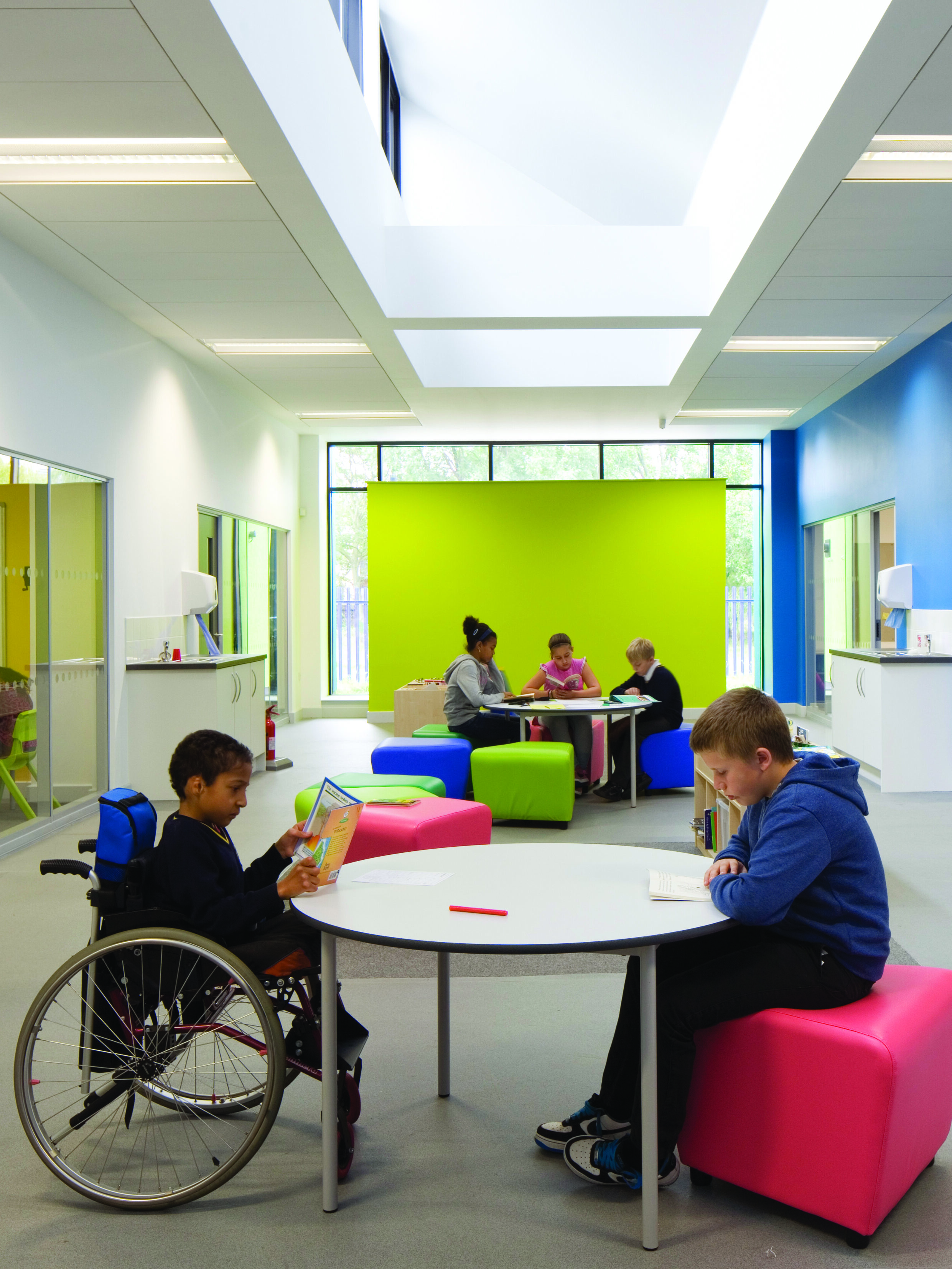
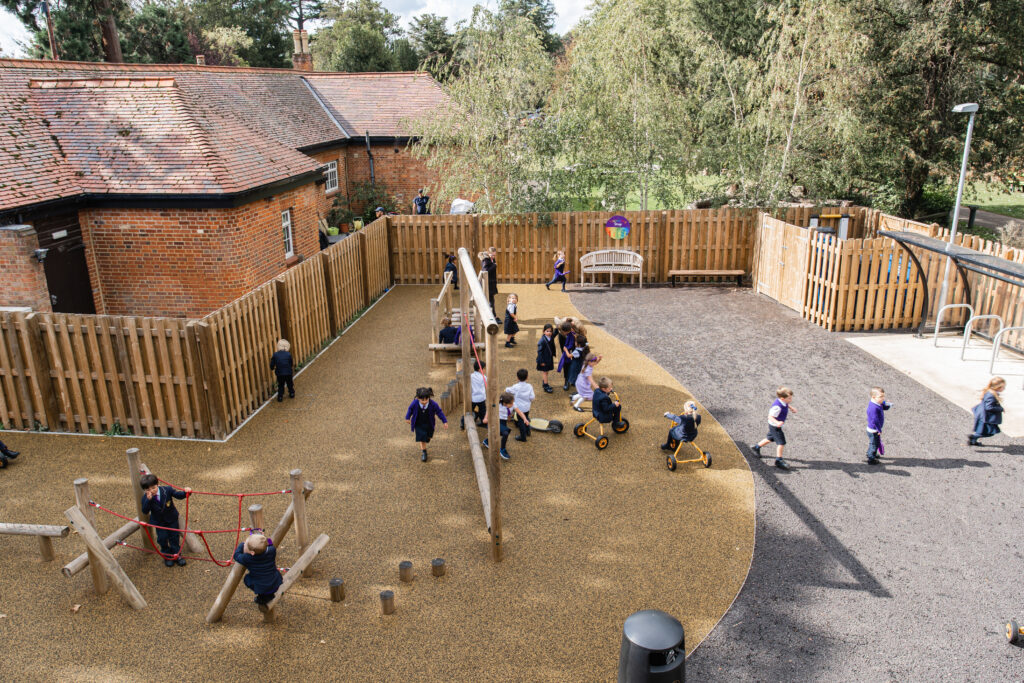
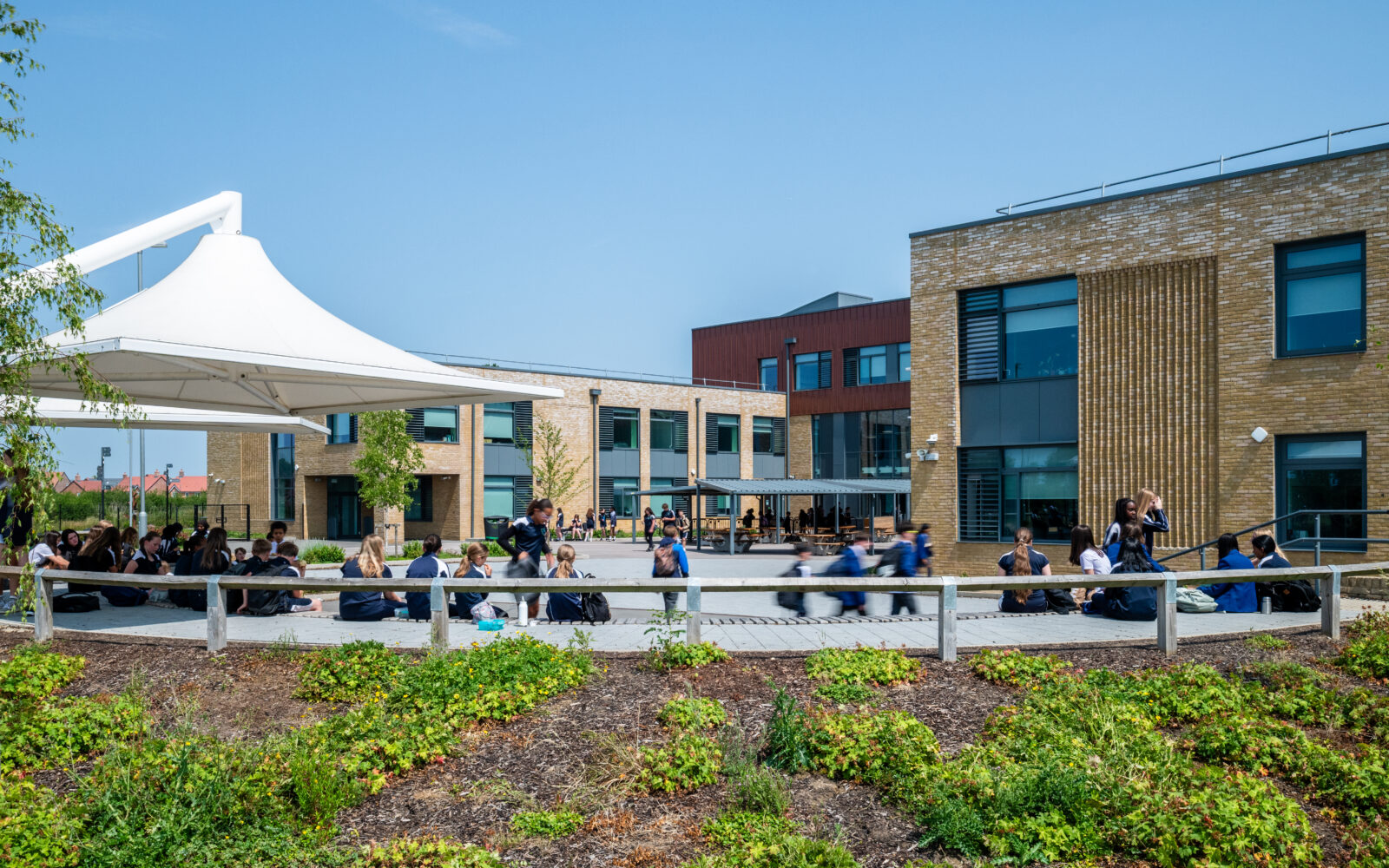
Tight project programmes often leave insufficient time for briefing or adequate investment to design spaces properly. At the same time, units for pupils with less common needs (such as sensory impairments) have quietly disappeared from many school sites. As a result, new spaces risk being inadequately sized, designed or integrated, while being expected to accommodate an ever-widening range of needs.
A SEN unit or resource base is a complex micro-environment. It needs good acoustics, clear, predictable routes, therapy and personal care spaces, places for emotional regulation, staff areas for multidisciplinary work, and safe social spaces that function during unstructured parts of the day.
These requirements vary dramatically between cohorts, for example those with autism, SEMH (social, emotional and mental health), physical disability, sensory impairment. Despite this, current policies increasingly push towards providing support on the edge of sites, especially when dealing with existing school estates.
When this happens, the building begins to carry the contradiction. Spaces intended to support inclusion can, unintentionally, become segregated zones. Even when units are physically attached to mainstream school sites, they can still feel disconnected from them.
Status also matters spatially. When a SEN unit is treated as a temporary department rather than a permanent part of the school, it is often housed in leftover spaces, such as portable buildings on the edge of the site. This suggests that the main school buildings are unsuitable for the pupils’ needs and can only be addressed in a standalone unit.
Locating these units on the margins of sites affects how pupils are perceived, how easily they can move between settings, and whether joining mainstream classes feels routine or exceptional.
Good design can mitigate this. Poor design potentially amplifies the problem.
Well-planned SEN units that are thoughtfully located within the school connect to everyday routes and balance privacy and integration. They allow pupils to move gradually between environments and enable alternative movement patterns. They give staff appropriate spaces to coordinate care and teaching.
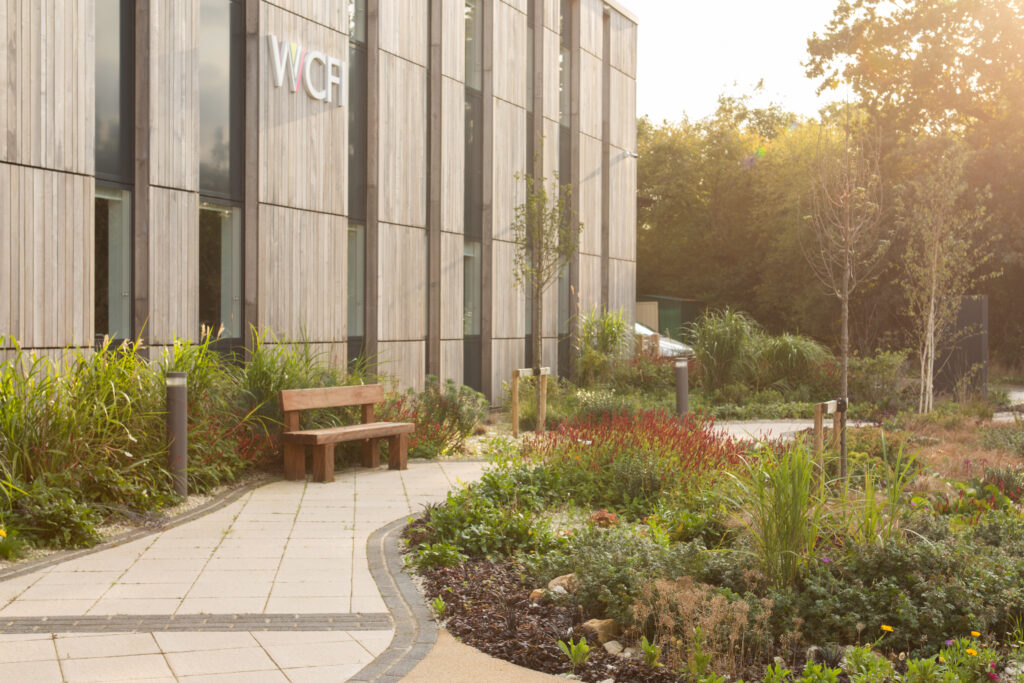
Assume variability applies to all spaces, not uniformity. Spaces should support a wide spectrum of sensory tolerance, attention, mobility and emotional regulation without requiring pupils to opt out of mainstream life.
Move beyond “mainstream” versus “support” and a designation of space. Design sequences of spaces that allow pupils to dial up or down stimulation, social contact and structure throughout the day. Accept that individual needs may end up meaning the intention of a design may vary in unexpected contexts.
Assume variability applies to all spaces, not uniformity. Spaces should support a wide spectrum of sensory tolerance, attention, mobility and emotional regulation without requiring pupils to opt out of mainstream life.
Design circulation that pupils can read instinctively. Predictable routes, visual cues and gentle thresholds reduce anxiety, conflict and fatigue. Provide sight lines and clearly benchmark exit routes and safe spaces to allow withdrawal.
Arrival zones, corridors, stairwells and outdoor links are part of the school day, not just leftover space. They should support regulation, not undermine it. These spaces often generate the most stimulation and with the likelihood to overwhelm students.
Resource bases, calm rooms and pastoral spaces should sit within the rhythm of the school, not outside it. Inclusion depends on proximity, not segregation.
Green space should support pacing, withdrawal, play, therapy and social repair. Different pupils need different relationships with the outdoors – design for choice and agency. Create a blurred transition line between building and landscape.
Use design to ensure support can happen before a crisis: short distances, clear sightlines, discreet routes and places for private conversations.
SEN units and resource bases have clear benefits but should feel permanent, visible and valued. Their design and placing signals how the system values the pupils within them.
Policies change. Cohorts change. Pupils change. Schools must adapt without redesigning inclusion out of existence.
Policy reform is reshaping how support is funded and delivered. The next challenge is to ensure that physical environments can support that change.
When schools provide spaces that accommodate difference, enable regulation, and allow pupils to move freely between forms of support, inclusion becomes part of the everyday experience.
Good design alone cannot solve every challenge facing the education system, but without it, the ambition of truly inclusive mainstream education will remain difficult to realise.
Written by:

Project Director
William Allen